
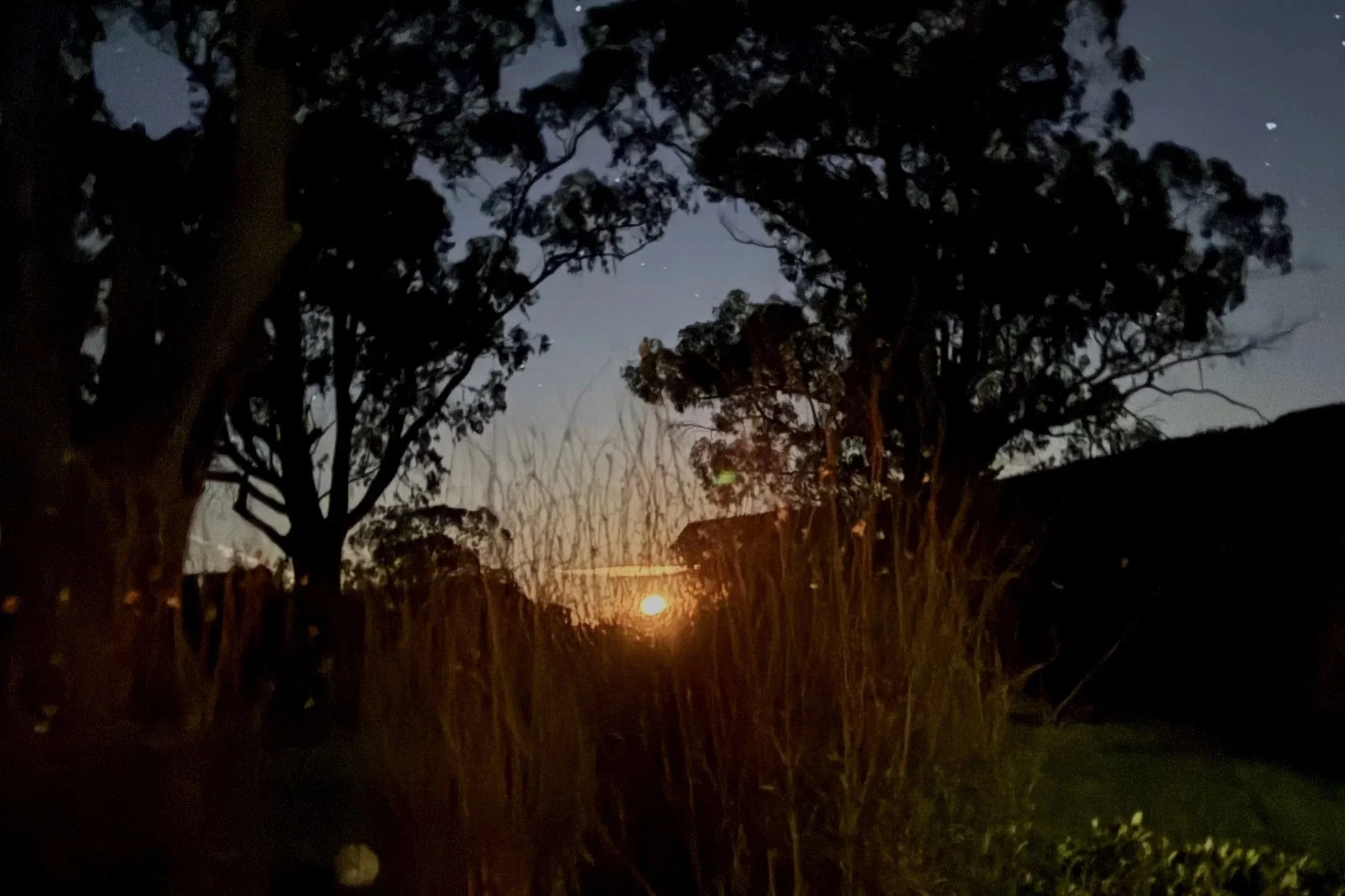
Surviving the ‘Winter Blues’: Creating a Happier, Healthier Winter In Melbourne
Winter is hard. Some of us are more vulnerable to what is commonly spoken about as the ‘Winter Blues’. While we have been guilty of loudly sulking about the impact of winter on our collective moods, mostly we want to be helpful. To you, to ourselves. This blog includes some information about what the winter blues are, and some ways you can look after yourself during the colder months.

Enhancing Clinical Outcomes through Collaborative Care
This article examines the clinical foundations of collaborative care, including multidisciplinary treatment teams, best-practice guidelines and coordinated treatment planning to support sustainable recovery outcomes.

The Power of Collaborative Care in Eating Disorder Recovery
In this collaborative article, Uncovery and Person-Centred Psychology & Allied Health explore the importance of integrated support in eating disorder recovery, including how clinicians and recovery coaches can work together to make recovery more connected and meaningful.
Othering, Loneliness, and Compassion
In this article, Deborah Newburn shares the meaning of othering, loneliness, and how compassion for ourselves and others can help with handling the feeling of otherness and loneliness.
How Do I Choose The Right Clinician(s) For Me?
In this article, Clinical Psychologist Deb Newburn shares some guidance about how to find the right clinician(s) for you.
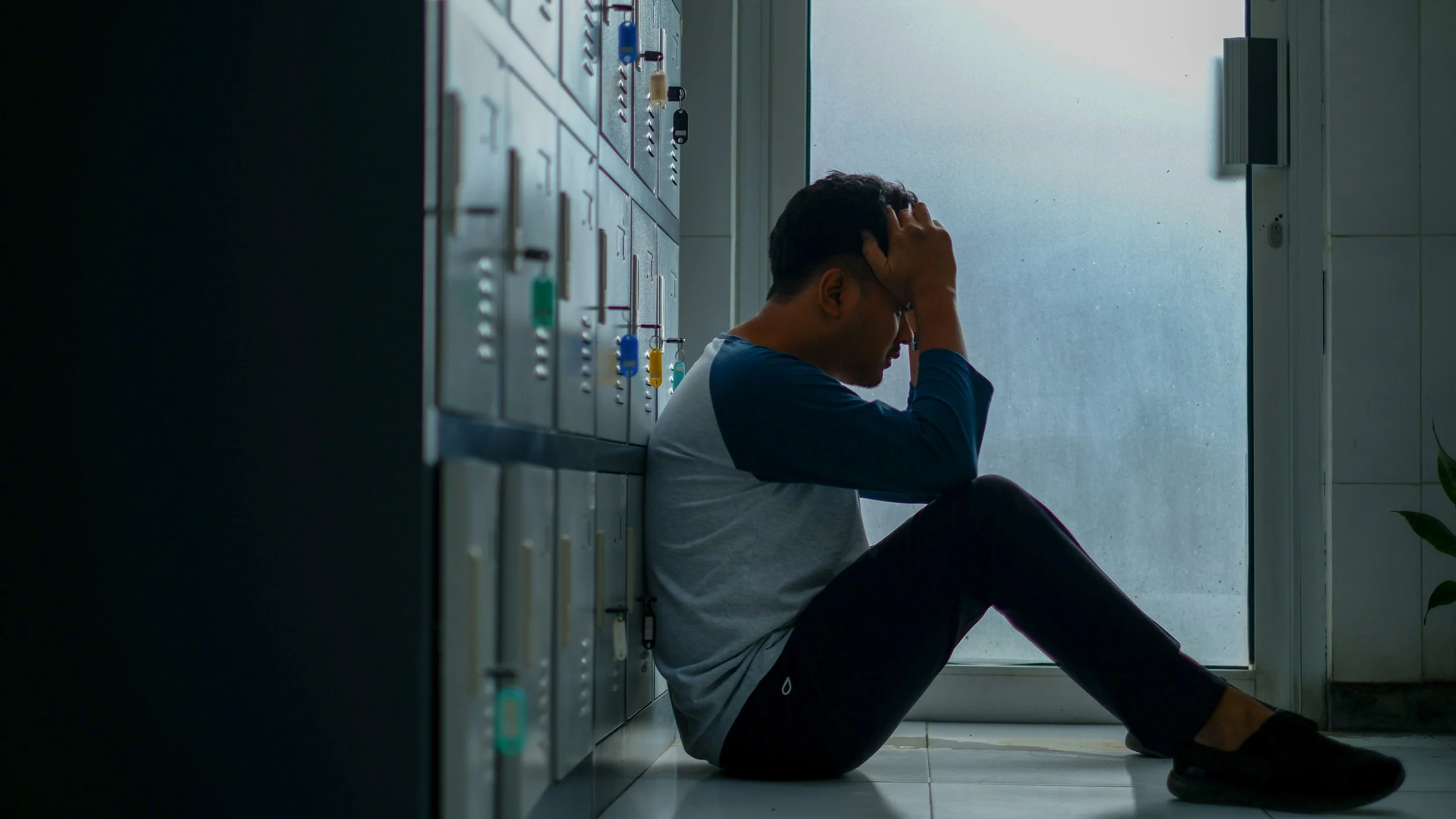
Chronic Stress - Mind, Body, Gut - A Collaborative Perspective
Prolonged stress can manifest in various ways within the body, partly due to the impact on the central nervous system and the release of brain chemicals (neurotransmitters) and hormones within the body. Whilst acute stress is a normal reaction and can improve temporary physiological functions, the effect of prolonged stress can drive discomfort and increase the risk of certain diseases.




Desire - What Turns You On… And Off?
In her previous article, Clinical Psychologist Ashley Depasquale discussed libido, or sexual desire in broad terms and discussed how ones health, relationships, and environment might contribute to spontaneous and responsive desire. In this article, she digs a little deeper in to individual factors that may contribute to understanding what turns you on, and off.